
Overview
It stands majestically as the Mexico City’s iconic landmark. Add to that it boasts the world’s tallest triumphal arch. This week let us explore the world of stainless steel through the case of Monumento a la Revolución Mexicana.
Monumento a la Revolución Mexicana
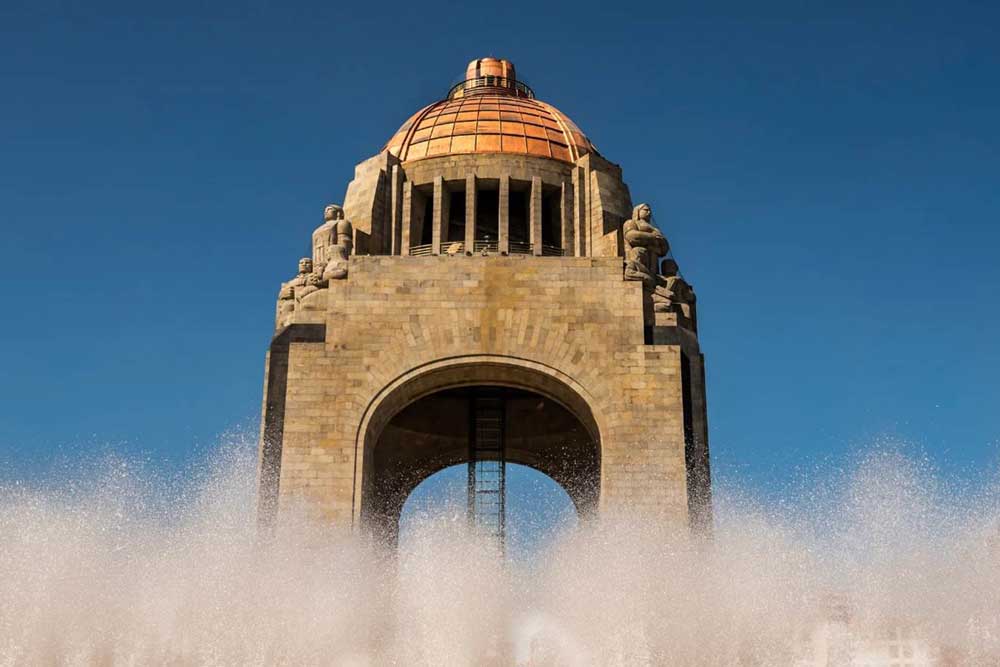
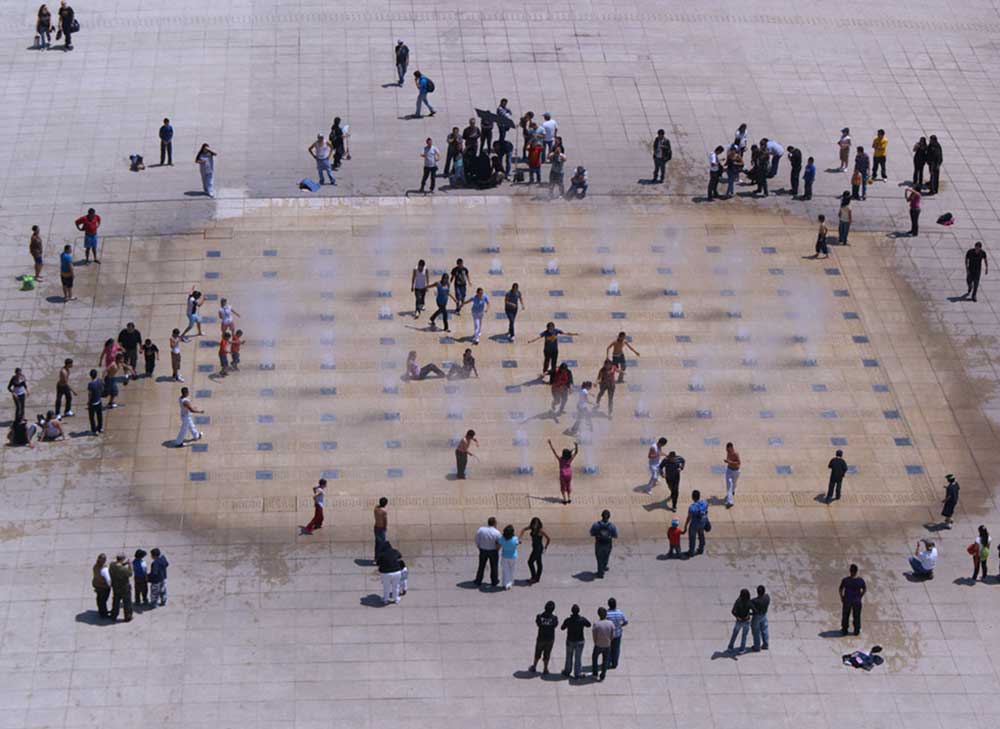
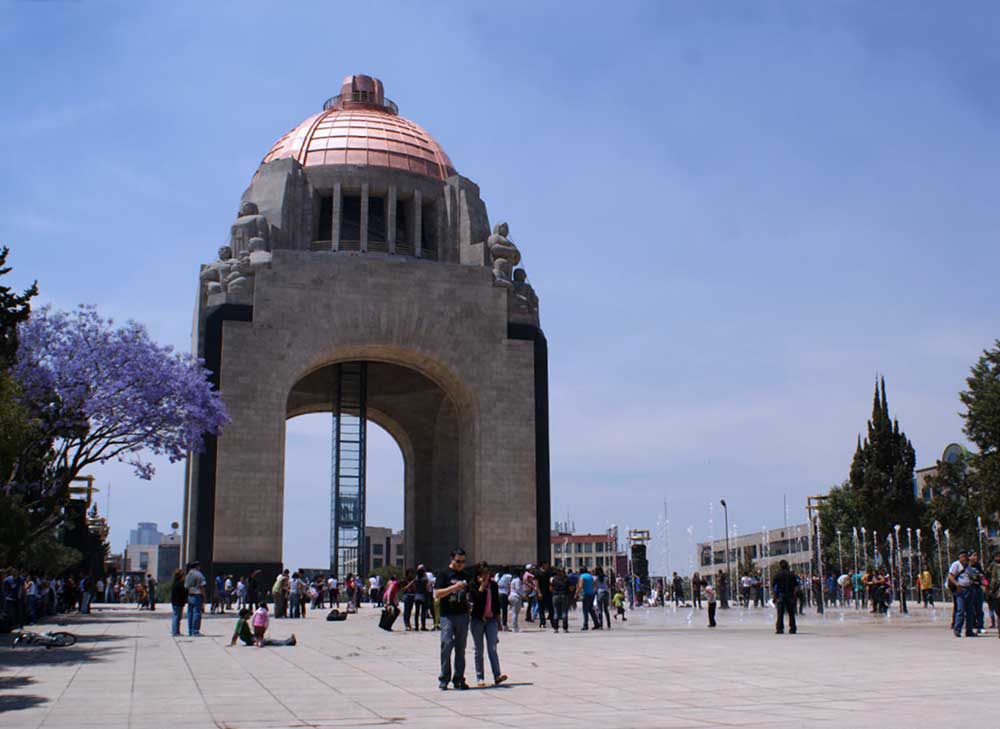
Monumento a la Revolución Mexicana, also known as Monument to the Revolution in English, is situated in the Plaza de la República, the heart of Mexico City with an impressive height of 220 feet (or 67 meters).
The Monument was designated as a tribute to the heroes of the Mexican Revolution that took place between 1910 and the 1920S. More than a mere remembrance of what has happened, the Monument also stands as a witness and celebration of the Mexican spirit, the courage to survive and thrive in spite of adversity.
The History of Monumento a la Revolución Mexicana
As intriguing as the stories of the nation’s revolution it commemorates is the history of this stunning architectural marvel. The construction of Monumento a la Revolución Mexicana proved a bumpy journey. It went through decades of fits and starts, and a major redesign prior to its completion in 1938 and also a later renovation in 2010.
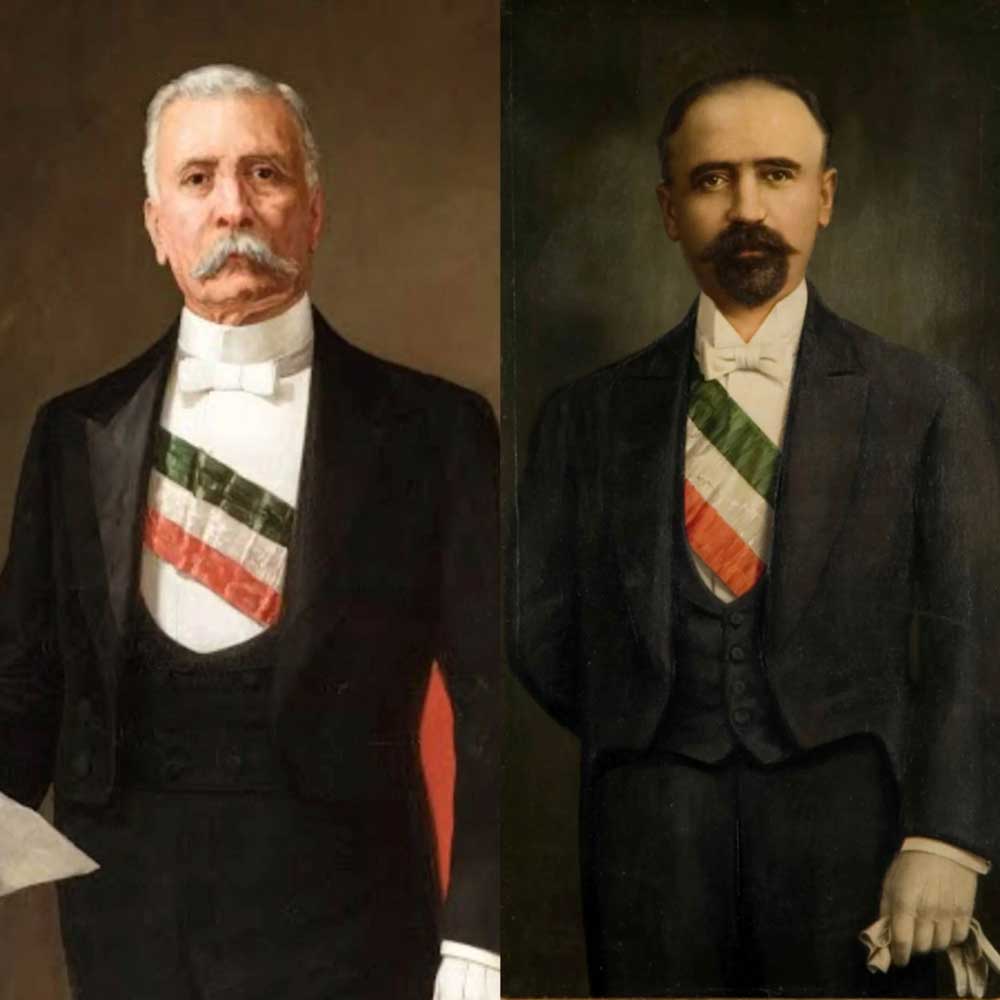
As early as 1897 when the Mexican politician and dictator Porfirio Díaz reigned over the country, he conceived the plan of building a grand legislative palace (i.e., the Federal Legislative Palace) at the site. During the centennial celebrations of Independence in 1910, he laid the foundation stone while inaugurating the Monument to Mexican Independence.
In May 1911 the president Francisco I. Madero replaced Díaz who was ousted during the Mexico Revolution commenced in 1910. The new president continued with the construction work until the fund was used up in 1912. As the Mexican Revolution entered its second phase then, the disrupted project was left to its abandonment.
In 1928, President Plutarco Elías Calles revived the project, envisioning it as a mausoleum for prominent revolutionary figures. Until in 1938, President Lazaro Cardenas finally saw it to completion, marking a milestone in Mexican history. It became an emblem of the country’s resilience and spirit of fighting for freedom and social justice.
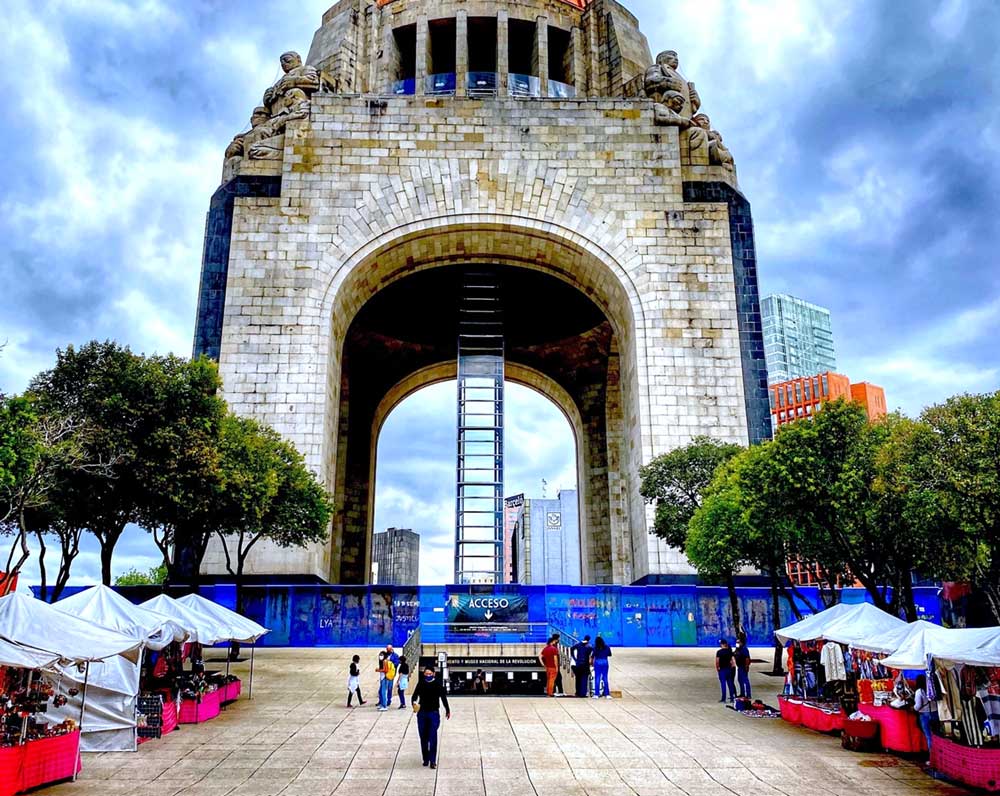
In 2010, the Monument went through an extensive renovation. One of the most prominent changes came with the addition of a new glass-and-steel elevator. It enables the visitors to take a panoramic view of Mexico’s capital at its top observation deck through the ride. According to THE NOT SO INNOVENTS ABROAD (2021), the best part lies in the ride itself. Now the Monument also functions as a cultural hub, hosting exhibitions, festivals, concerts and a series of activities. Meanwhile, it is also a popular hangout in Mexico city.
The Design of Monumento a la Revolución Mexicana
Monumento a la Revolución Mexicana was redesigned from a massive legislative building to the Monument we see today, with a mixture of different architecture styles that witnessed its historical ups and downs. It’s a blend of pre-Hispanic architecture and 1930S Art Deco Style.
During the regime of Díaz, the place was planned as a legislative palace. To demonstrate Mexico as an advanced nation, the then Government hired the French architect Émile Bernard who created the neoclassical design with a touch of the Renaissance. It ended up with a copper-dome crown borne by four massive legs with sculptural reliefs.
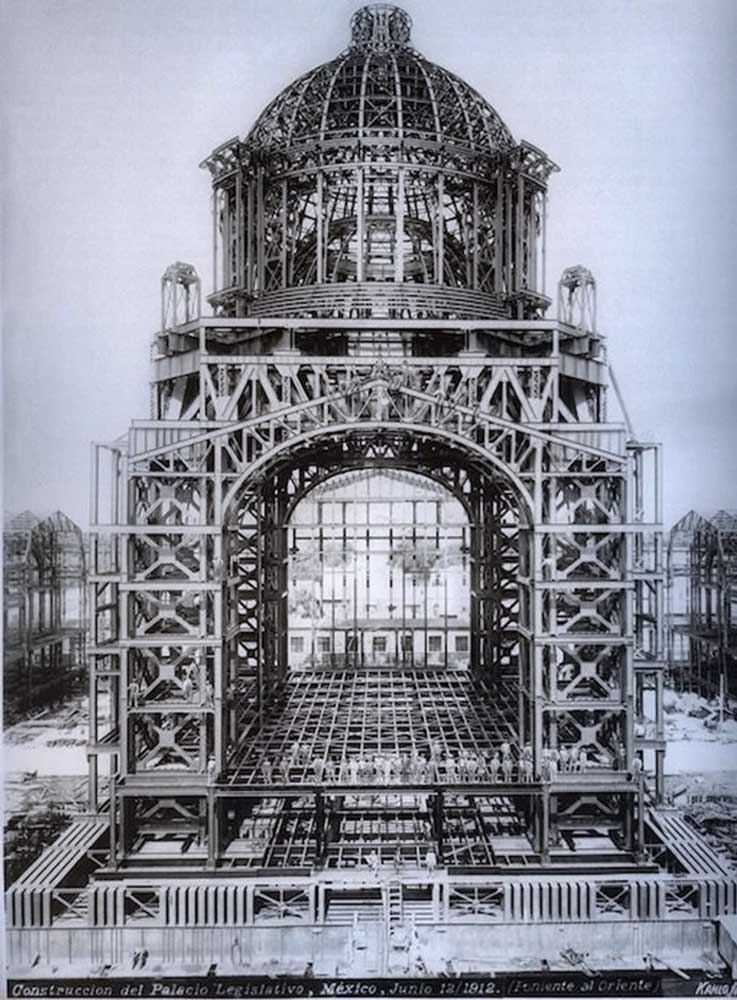
In 1930S when the Mexican Architect Carlos Obregón Santacilia proposed to convert the abandoned palace into the monument, the original structure remained, and the open building wore an eclectic Art Deco and Mexican socialist realism style. The Mexican Sculptor Oliverio Martínez designed a stone sculpture for the structure, with Francisco Zúñiga as one of his assistants.
The Monument houses at the bases of each four massive pillars the tombs of Mexican presidents and rebels from the Mexican Revolution, so it also serves as a mausoleum. Under the Monument there is the basement where an art gallery as well as the National Museum of the Revolution lie. At the top of it is a viewing platform inside the copper-clad cupola.
Stainless Steel Applied in Monumento a la Revolución Mexicana
In 2010, a new lift was assembled to allow for easier access to the dome above and the museum underneath during the renovation of Monumento a la Revolución Mexicana.
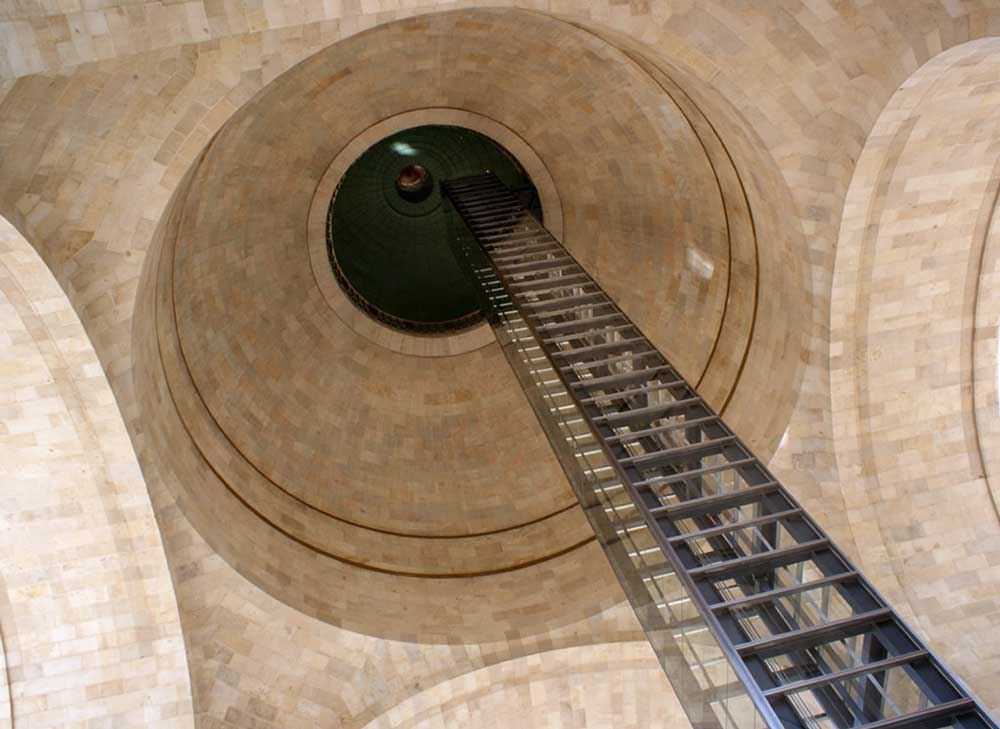
According to ISSF (2025), a light steel-and-glass lift design harmonious with the symmetrical layout of the Monument stood out as the winner. Specifically, the mixed material design that is earthquake-proofed, entails carbon steel structure clad with stainless steel. Stainless steels are also used in the lift components such as the glass holders, fasteners and handrails. In total, there are 4 tons of 304 stainless steel used for the lift (ISSF 2005).
Stainless Steel from CIVMATS China
If you are looking for 304 stainless steel sheets, strips, bars and tubes from China, as in the case of Monumento a la Revolución Mexicana, pls feel free to contact CIVMATS.
CIVMATS produce and export quality stainless steel materials to clients from home and abroad with extensive industrial experience and excellent record of customer satisfaction. CIVMATS have beyond type 304 stainless steel for your options. Choose CIVMATS, choose reliability.