

Overview
Stainless steel features excellent corrosion resistance, heat resistance, wear resistance, strength-to-weight ratio, as well as eco-friendliness. With these advantages, stainless steel materials are seen widely used in almost every field, ranging from home appliances, buildings to bridge construction as introduced previously.
Despite the popularity of stainless steels, we seldom see stainless steel cars on the road. This week let us explore stainless steel application in auto industry through the case of Porsche and delve into the challenges and opportunities for the popularization of stainless steel cars.
Are there Any Stainless Steel Cars?
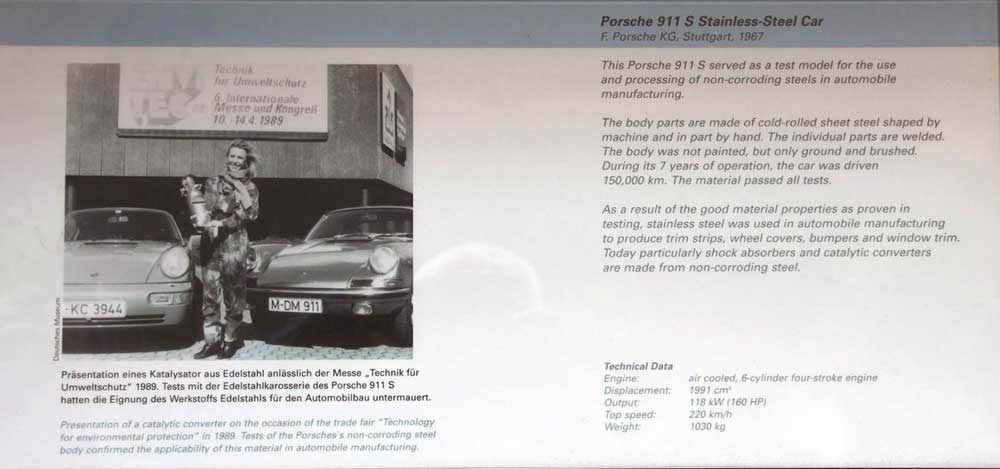
The idea of stainless steel cars might sound novel, but it has been realized before. Among the trial on stainless steel cars, Porsche 911S – 1967 can be the most famous one. It is held as a mysterious masterpiece (Brett Foote 2019), mysterious in that not many people have the notion of stainless steel car, let alone know its existence.
Porsche 911S – 1967
Below are some photos which give us the clear view of Porsche 911 S Stainless-Steel Car 1967 from different angles (Porsche 2015).
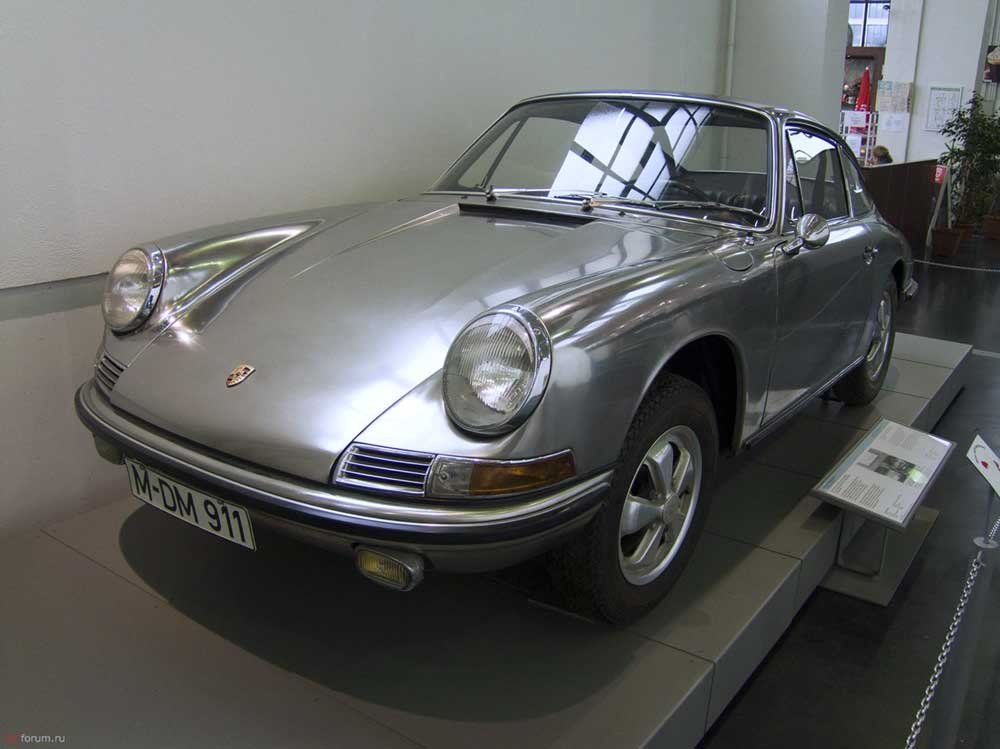
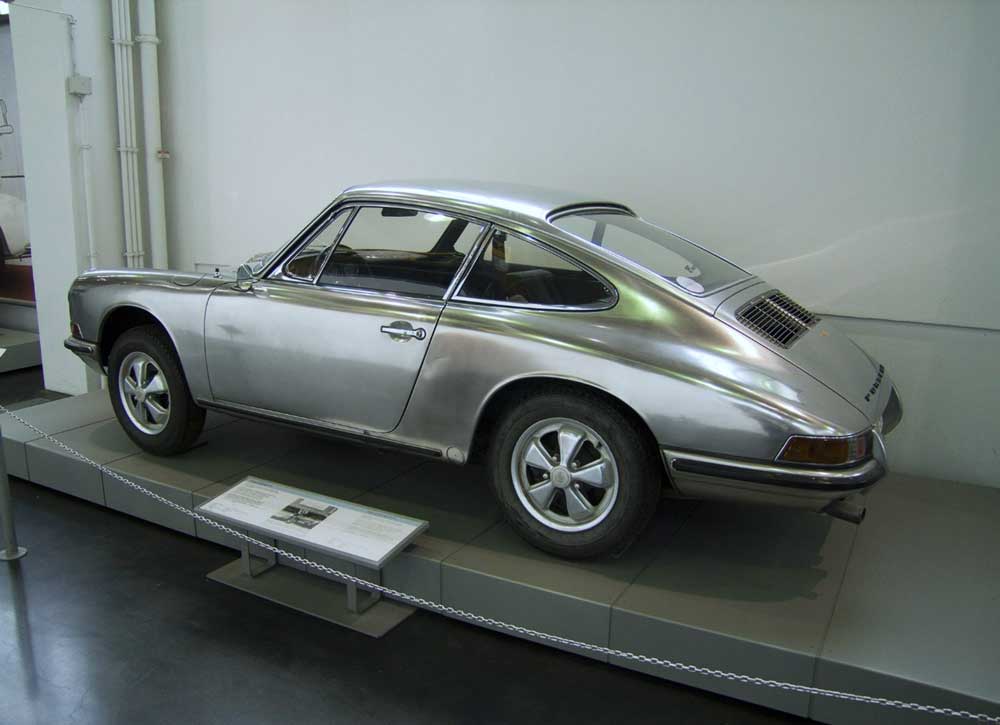
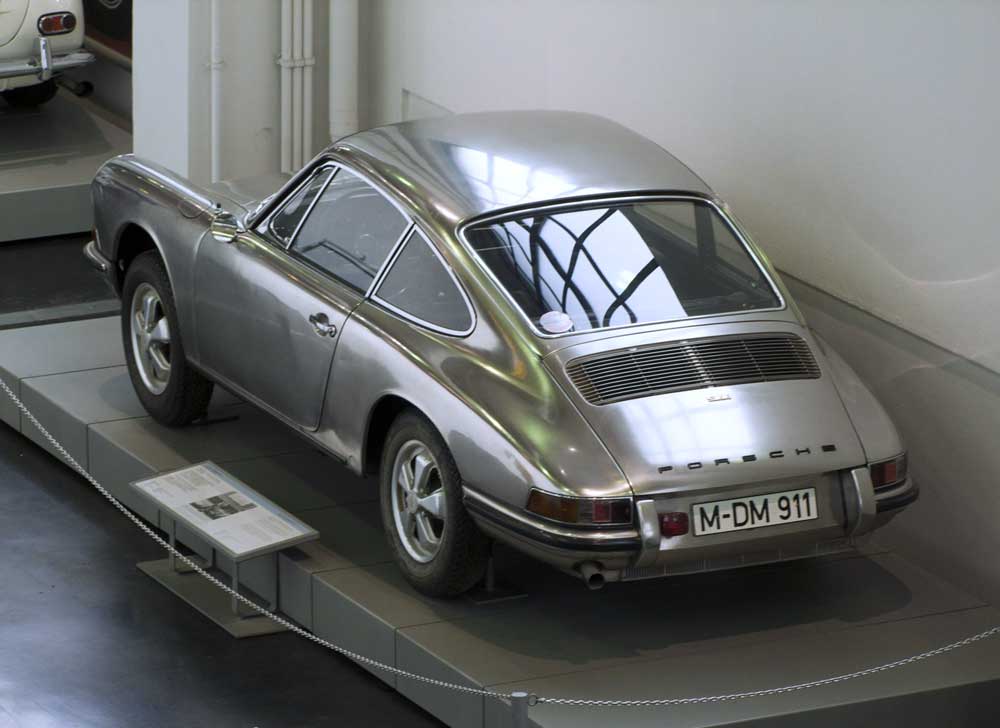
Despite the excellence of Porsche Stainless Steel Car 911S – 1967, Porsche, the world-famous automaker didn’t launch mass-production thereafter. This experimental 1967 911S stainless steel car was housed in the Deutsches Museum's massive car collection in Munich, Germany and kept there since 1974.
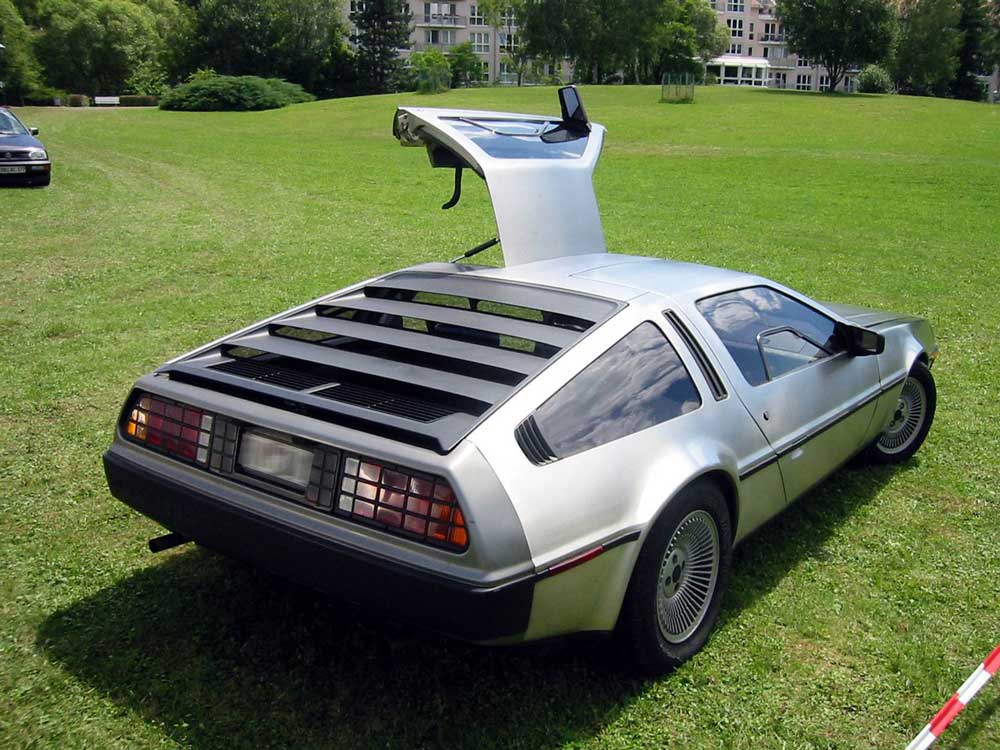
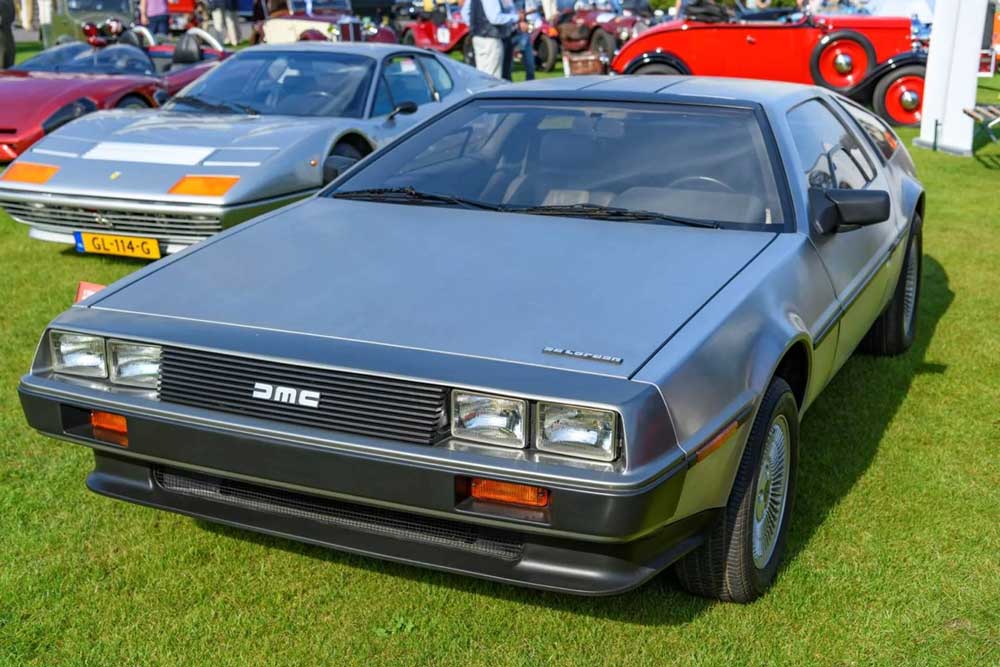
There were stainless steel cars occasionally produced both before & after Porsche. For instance, as early as in 1936 and again in 1960 and 1967, Ford teamed up with Allegheny Ludlum Steel to make 11 stainless steel classic cars. Subsequently DeLorean Motor Company, the US carmaker launched DeLorean DMC-12 cars made out of stainless steel in 1981 but halted their production after 1983.
The Challenges Associated with the Popularization of Stainless Steel Cars
Despite several trials made by different car manufacturers, including the luxury brand Porsche, stainless steel cars failed to dominate the market ever. There were unsurmountable challenges as below listed, by the time when the above mentioned stainless steel cars were launched.
• Financially Unviable
Stainless steel on its own, is way more costly than mild steel or aluminum used in car body. Add to the material cost, the production is expensive. Stainless steel is not as easily formable and readily weldable as mild steel or aluminum. For whichever carmakers ambitious with stainless steel car programs, it means new production line.
If DMC-12 stainless steel cars ceased to exist partially because the performance failed to live the expectations of their customers, Porsche Stainless Steel Car halted at the test stage totally out of cost consideration. There was no quality issue, but the price could be twice as much as a normal Porsche 911S. The high price was partially attributed to the stainless steel material, partially to the manufacturing process.
Appearance Unappealing
Stainless steel is not sticky to paintings. The above-mentioned cars made with stainless steel bodies are homogenously in metallic color. Take DMC-12 stainless steel car for instance, the scratches on the surface were hard to remove. Even some owners resorted to painting as a solution, but the paint peeled off over time. What was worse, painting made stainless steel cars not eye-catching or unique any longer.
Safety Concerns
Concern 1: Stainless steel features high strength, hard to absorb the crash force. It means, when a car crash occurs, stainless steel car will fail to absorb the impact of the crash, left it to the drivers or/and the passengers.
Concern 2: Cars wholly made by stainless steel are heavier than cars made by traditional materials like galvanized steels or aluminum. The substantial weight poses risks to other vehicles on the road, let alone they consume more fuels to increase carbon footprint.
Extra Concern for Repair Cost
Automakers use more expensive materials produced in more difficult manufacturing process to get stainless steel cars, which means high selling price for initial purchasing. However, there can be higher costs for repairment. Cars with stainless steel body, if damaged on the surface, can be difficult to repair partially but to replace the whole body, which can be a huge cost.
Opportunities for Stainless Steel Cars
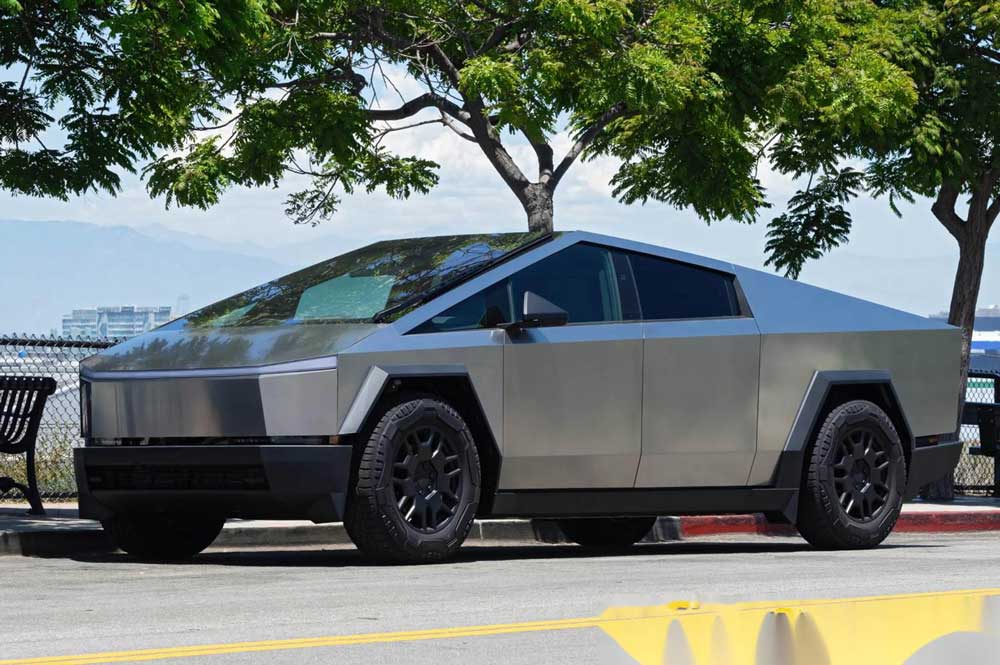
With the above listed factors, the future of stainless steel cars seems bleak and impossible. However, with the advent of electric vehicles (EV) age, the future of stainless steel cars is illuminated again, represented by Cybertruck, a stainless steel EV made by Tesla.
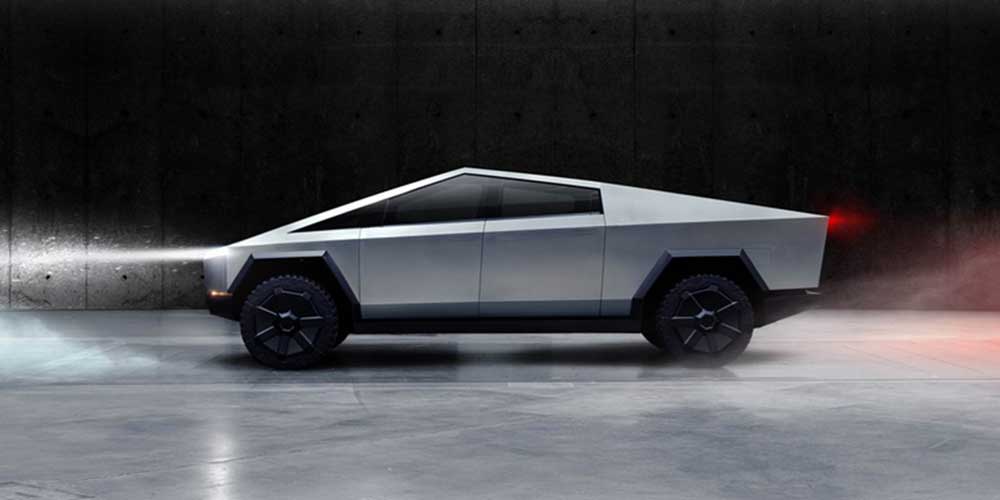
Nowadays new energy cars become widespread, and the market grows mature. Tesla is the forerunner who tapped into the market. Since the debut of Cybertruck in 2019, it has been 6 years up to date and the Cybertruck is still on sale.
Plus, stainless steel cost has been reduced enormously with advanced technology and declined costs of alloying elements. In China, stainless steel materials are even cheaper with better quality than before. Stainless steels are strong and easily formable at the same time. The advanced technology makes welding no longer a pain at high cost for most common stainless steel grades like 304 or 316L.
Stainless Steel Materials at CIVMATS China
Whether in terms of the age, or in perspective of stainless steel cost, there is more to expect for stainless steel cars. CIVMATS, the leading manufacturer and exporter of stainless steel materials in China are always here for you. Choose CIVMATS, choose reliability and safety.