
Overview
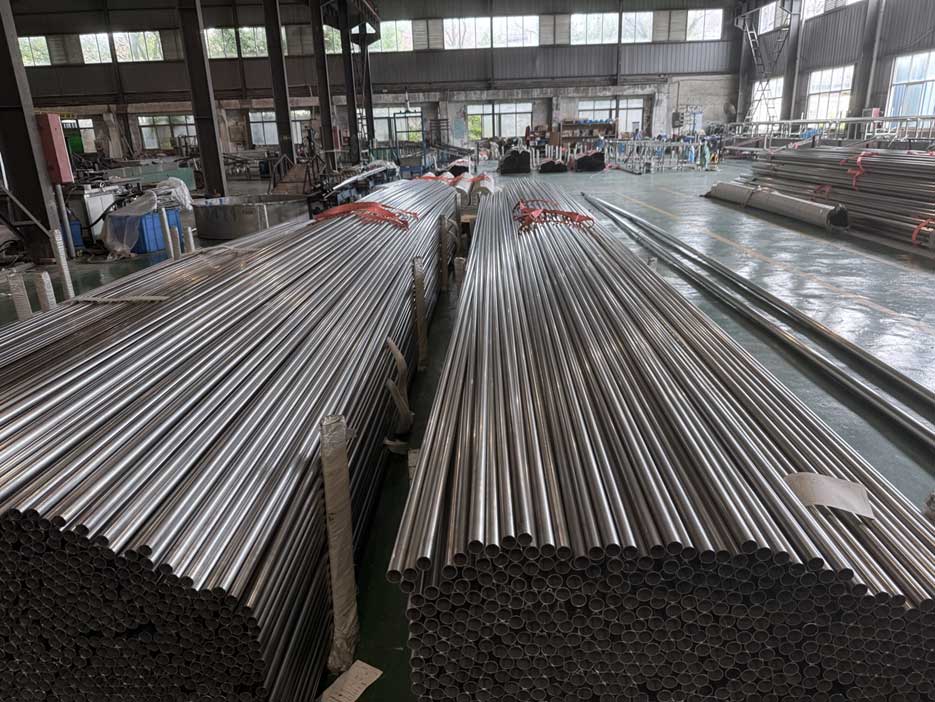
It is taken for granted that stainless steel seamless tubes are of better quality than stainless steel welded tubes of the same size and grade for without weld seams. However, this doesn’t apply to heat exchanger tubes, in which application stainless steel seamless tubes are losing ground against stainless steel welded tubes. This week we will introduce stainless steel welded tubes applied into heat exchanger industry through the case of ASTM A789 S32205 duplex stainless steel welded tube exported from China CIVMATS.

Background Information
With trade tensions and policy uncertainty heightened, global economy ushers into a new era where cost efficiency comes to be embraced by industries leaders in almost every walk of life.
For instance, in the most recent “Awe dropping” event launched on 10 September 2025, the technology giant Apple introduced back its aluminum case for its high-end flagship iPhone 17Pro series, with good reasons.

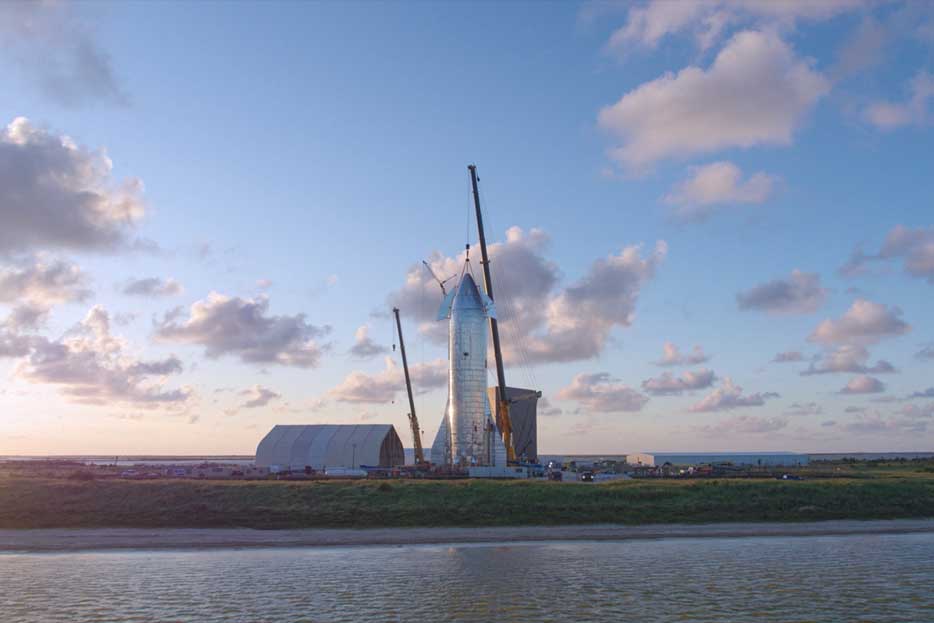
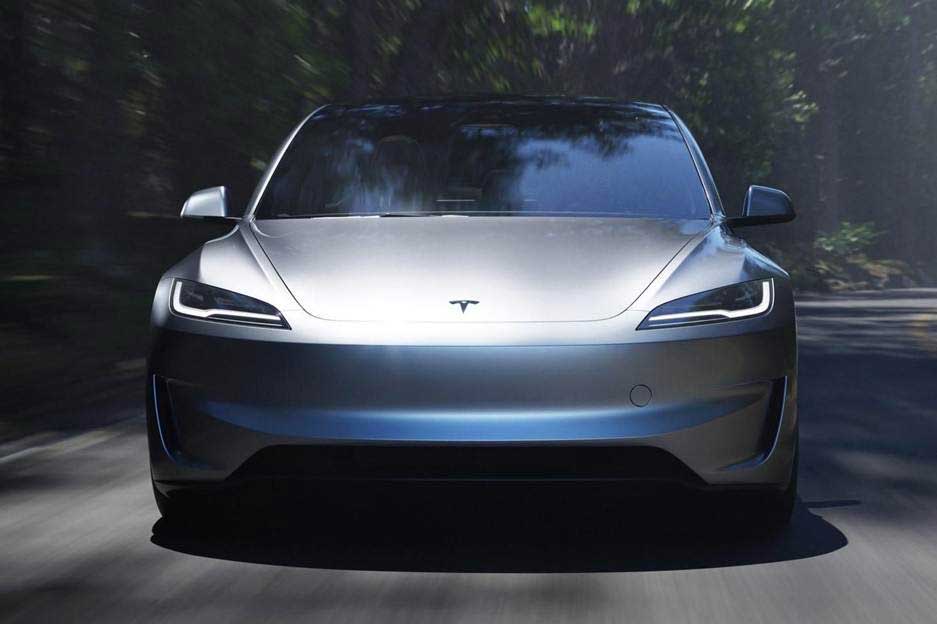
This phenomenon extends far beyond smart devices, auto industry leaders have embraced it even earlier. The change to more affordable manufacturing materials doesn’t necessarily imply reduced quality, especially for famous enterprises. On the contrary, the extreme cost control gave birth to Space X and led the world into the era of electric vehicles pioneered by Tesla both under the leadership of Elon Musk.

The Changes from Stainless Steel Seamless Tube to Stainless Steel Welded Tube
Stainless steel tubes for heat exchanger application are mostly supplied in small sizes, which means OD is always below 80mm, specifically up to 76.2mm, with key technical data as below listed,
| OD | 6MM - 76.2MM |
|---|---|
| WT | 0.4MM - 2.5MM |
| Specifications | Welded Tubes: ASTM A249 & ASTM A789. Seamless Tubes: ASTM A213 & ASTM A790. |
| Material | Austenitic stainless steel & Duplex Stainless Steel |
| Shapes | Straight Tube, U tube & Coiled Tube |
| Applications | For Boiler, Superheater, Heat-exchanger & Condenser |
As seen from the above table, stainless steel heat-exchanger tube features 1) a relatively thin wall corresponding to its outside diameter, such as 50.8*1.25mm. The cost for stainless steel seamless tube will be way higher than stainless steel welded tube at the same size. 2) working environment with high pressure or/and elevated temperature. This means unqualified stainless steel welded tubes can bring catastrophe.
The Story Behind the Change
The specifications for welded stainless steel tubes have already existed. When global economy booms with promising outlook, people tend to spend more without considering alternative cheaper options. Now global business has to stay aligned with the ever-competitive market by sourcing more cost-effective materials to cut cost and stay competitive. This is the context that the change becomes possible.
When cost control penetrates into both business and personal life, it becomes a common sense to source reliable substitutes to the original expensive materials. To add “reliable” is to emphasize quality still comes before price when considering material change. This can be illustrated by the launch failure of the first Falcon 1 flight from Space X. The leak came from a small B-nut which secured a fuel line. The B-nut was made by cheap and light aluminum under the approval of Musk who didn’t foresee it would get corroded at the marine environment of its launching base Kwaj and they fixed the problem forever (Walter Isaacson 2023).
Both stainless steel seamless and welded tubes can meet heat exchanger application. We recommend SS welded tubes more often because the market has yet to fulfill its full potential. Apart from lower cost and shorter lead time, SS welded tubes (bright) are of better appearance than SS seamless tubes (pickled in most cases). Plus, the mechanical property of stainless steel welded tubes from CIVMATS China are as reliable as that of stainless steel seamless tubes.
ASTM A789 S32205 Duplex Welded Tube from China CIVMATS
If the same goal can be met at lower cost, competitive advantages can be built up. This can be justified by Musk commercializing space flight as a pioneer and a game-changer. Although cutting cost is important, it must be done in a reliable way. That’s how CIVMATS come into play.
We’ll walk you through the reasons why it is CIVMATS you can count on, in terms of purchasing stainless steel welded tubes from China for your heat-exchanger projects. Let us explore the case of ASTM A789 S32205 Duplex Welded Tube exported to North America together.
• Order Information
Client Identity: Private
Quantity: 2*45HC
Initial Requirement:
2” O.D. (50.8mm) X 18 BWG (1.25mm) x 40’(12192mm), SMLS, 2205 Duplex ASTM A790
Revised Requirement:
2” O.D. (50.8mm) X 18 BWG (1.25mm) x 40’(12192mm), WLD, 2205 Duplex ASTM A789
• Our Solution:
The client was initially very skeptical about the feasibility of stainless steel welded pipe for their project, so we sent them a sample to check our quality and to test first.
We have that confidence in our proposal because before them there was a client who had already tested on the samples of both seamless tube and welded tube of the same size and grade for heat exchanger applications, only to get the conclusion that the tensile strength and other key indicators were the same.
As was expected, the client revised their requirement after test. Upon approval of our sample came the order without suspense. Prior to order execution, our production manager checked the record to confirm that the sample was sent with leveling internally, which could be avoided. Despite this, we didn’t eliminate this process even if it meant lower cost without compromise on quality.
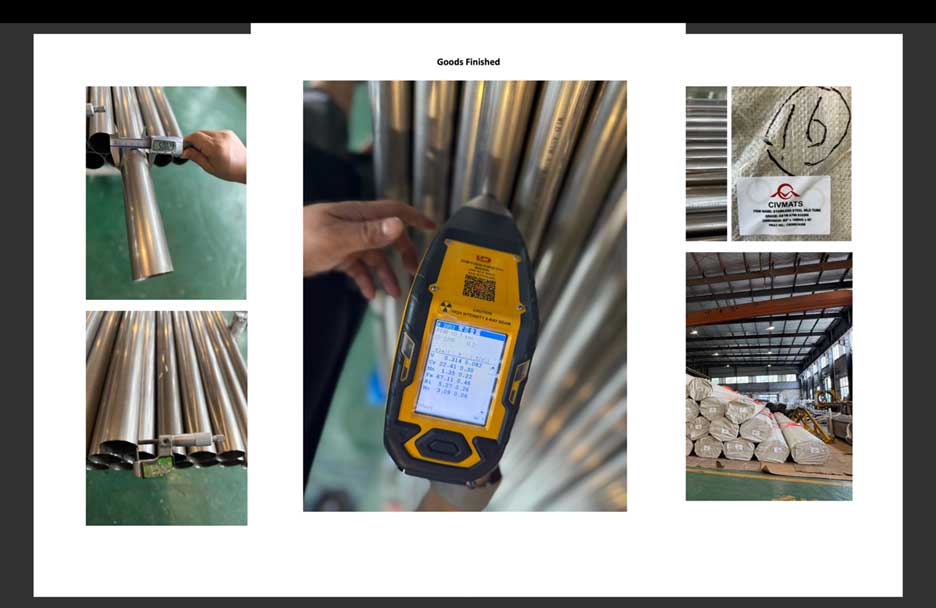
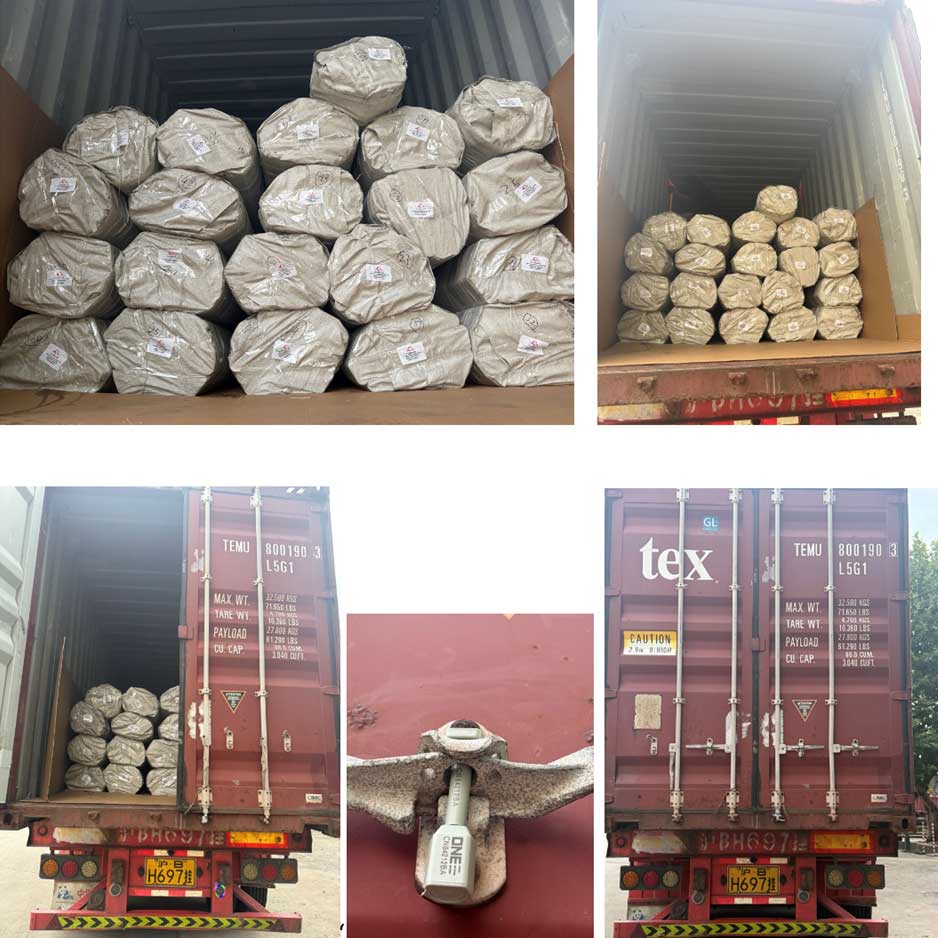
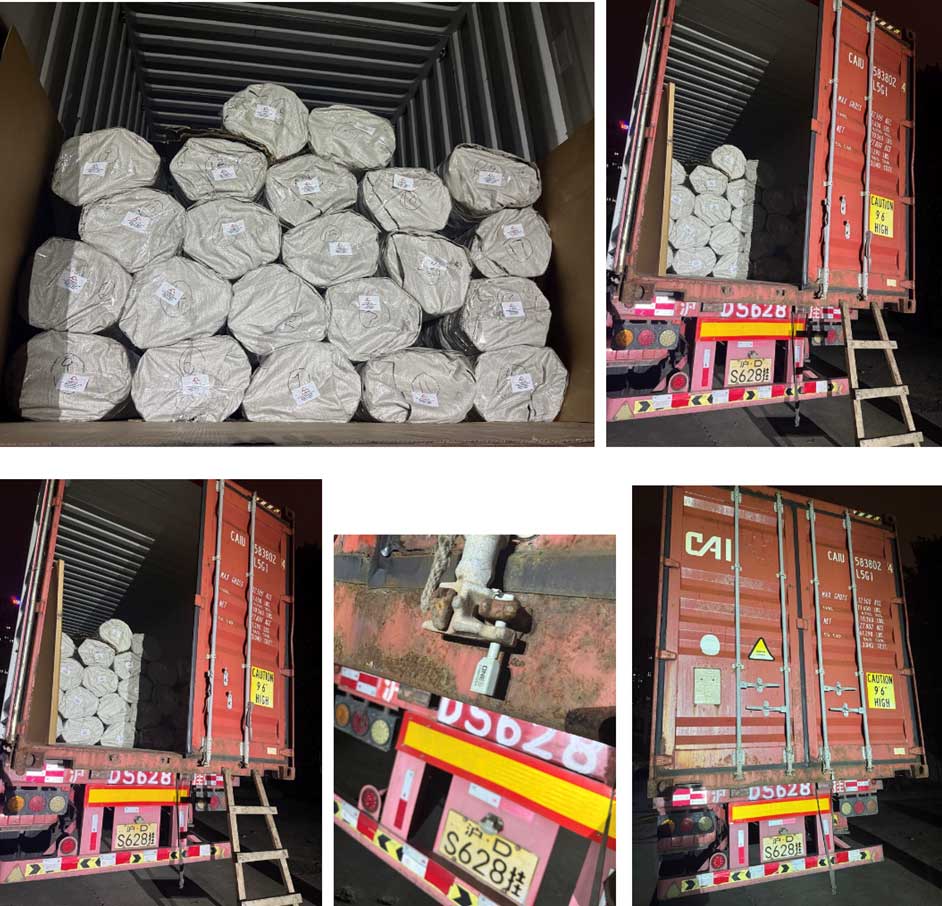
For us, it is important to keep exactly the same quality as the sample, based on which the order was awarded. Below are the photos of the finished product and loading containers of the order.
What is Internal Leveling for Stainless Steel Welded Tubes?
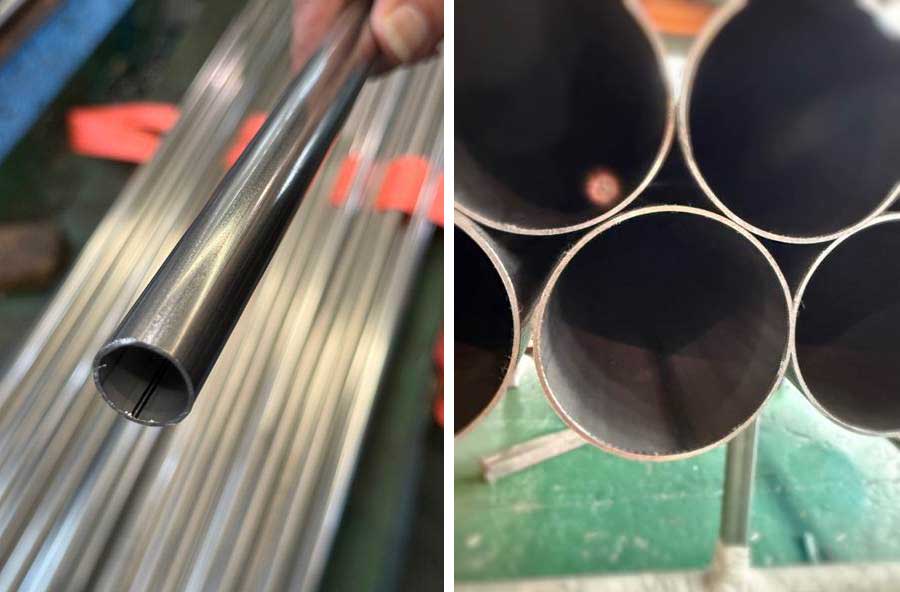
Internal leveling isn’t always necessary, depending on the case. The purpose is to unify the wall thickness of the tube body by ensuring the height of the welded seam is below the limit set by the specification. Below showcased are the two photos: one as-weld without internal leveling (left) and another (this order) with internal leveling(right). As the left photo was shot at production site rather than in packaging area, you can still see the burrs before removing.
Why Choose CIVMATS for Stainless Steel Heat Exchanger Tubes?
To produce qualified stainless steel welded tubes for boiler, superheater, heat-exchanger & condenser per ASTM A249 & ASTM A789, it requires full understanding of the specification, the complete manufacturing and testing processes as well as industrial experience.
For example, some suppliers will remove heat treatment process to be lucrative. This will reduce the tube service life dramatically from 10 years to 2 years and can even lead to accident in the case of pressure vessel working under elevated temperatures. To find the reliable supplier to work with is the key success factor, such as our client’s choice on CIVMATS.
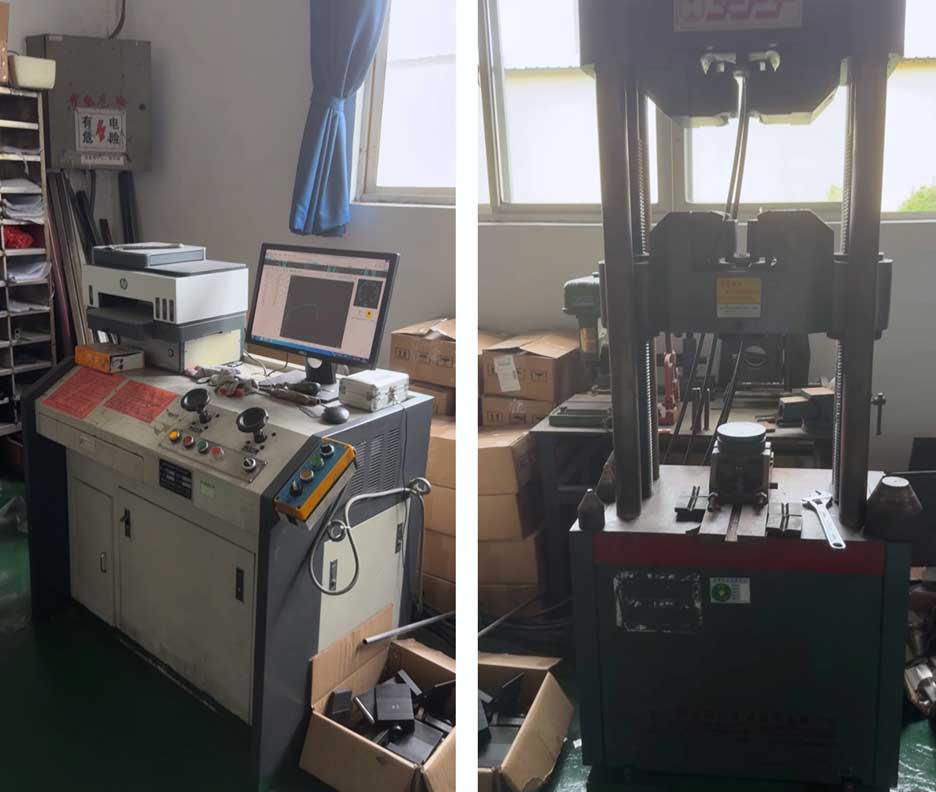
At CIVMATS, we do 100% eddy current test on all the finished stainless steel welded tubes. This process alone can weed out unqualified tubes. Besides, reverse bend test, flanging test and air pressure test are all done inhouse for strict quality control. We can ensure every tube you receive is a quality promise with product safety.
If you are in the market for ASTM A249 & ASTM A789 stainless steel heat exchanger tubes, welcome to contact CIVMATS. Choose CIVMATS, choose reliability.