
Overview
Pioneered in London over four decades ago, Thames Barrier is a functional yet aesthetic approach to flood, a barrier with movable gates across the Thames. This week let us resume our exploration of stainless steel world through the case of Thames Barrier.
What is Thames Barrier?
Acclaimed as “the Eighth Wonder of the World” (Britain Express 2025), Thames Barrier boasts one of the world’s largest retractable flood defense barriers, second only to the Oosterscheldekering Barrier in the Netherlands.
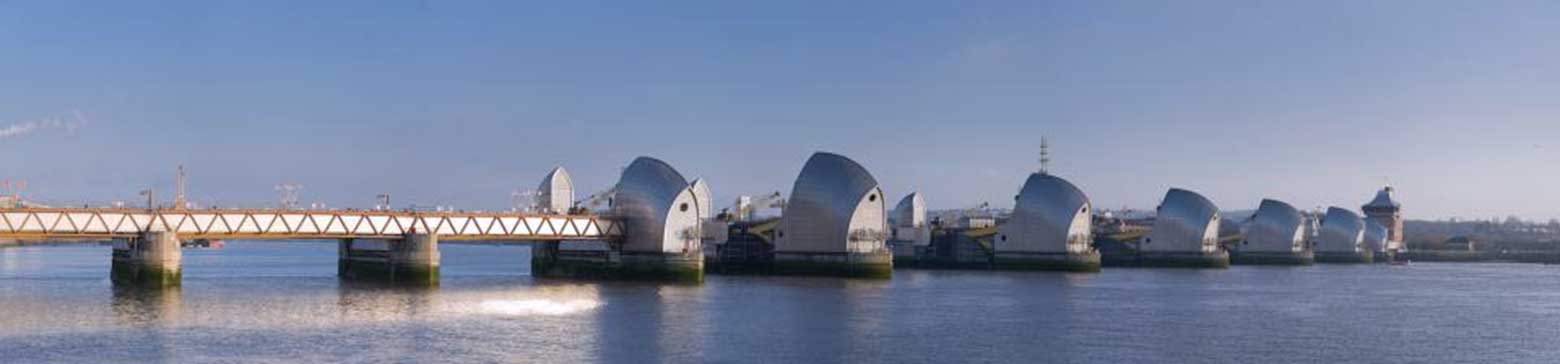
Thames Barrier is featured with 10 movable gates, spanning 520 meters wide stretch of the River Thames near Woolwich in London. The 10 gates, each weighting 3,300 tons, divide the river into 4 non-navigable and 6 navigable channels.
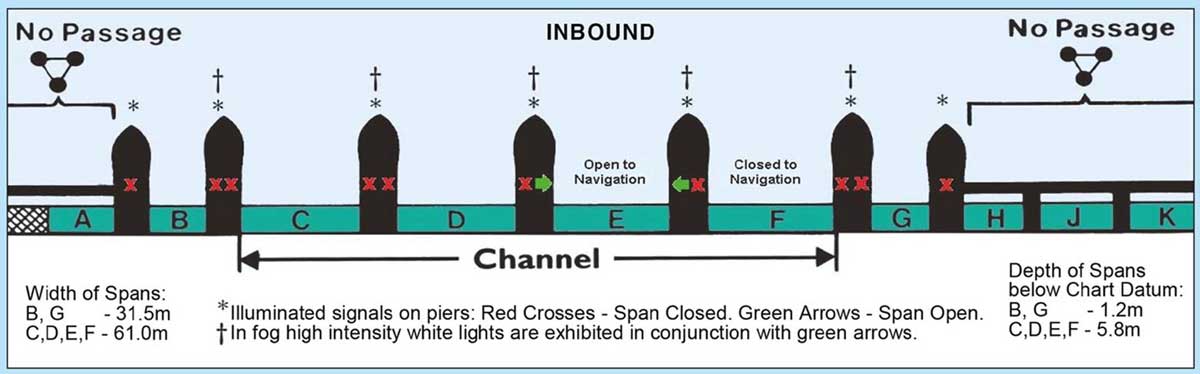
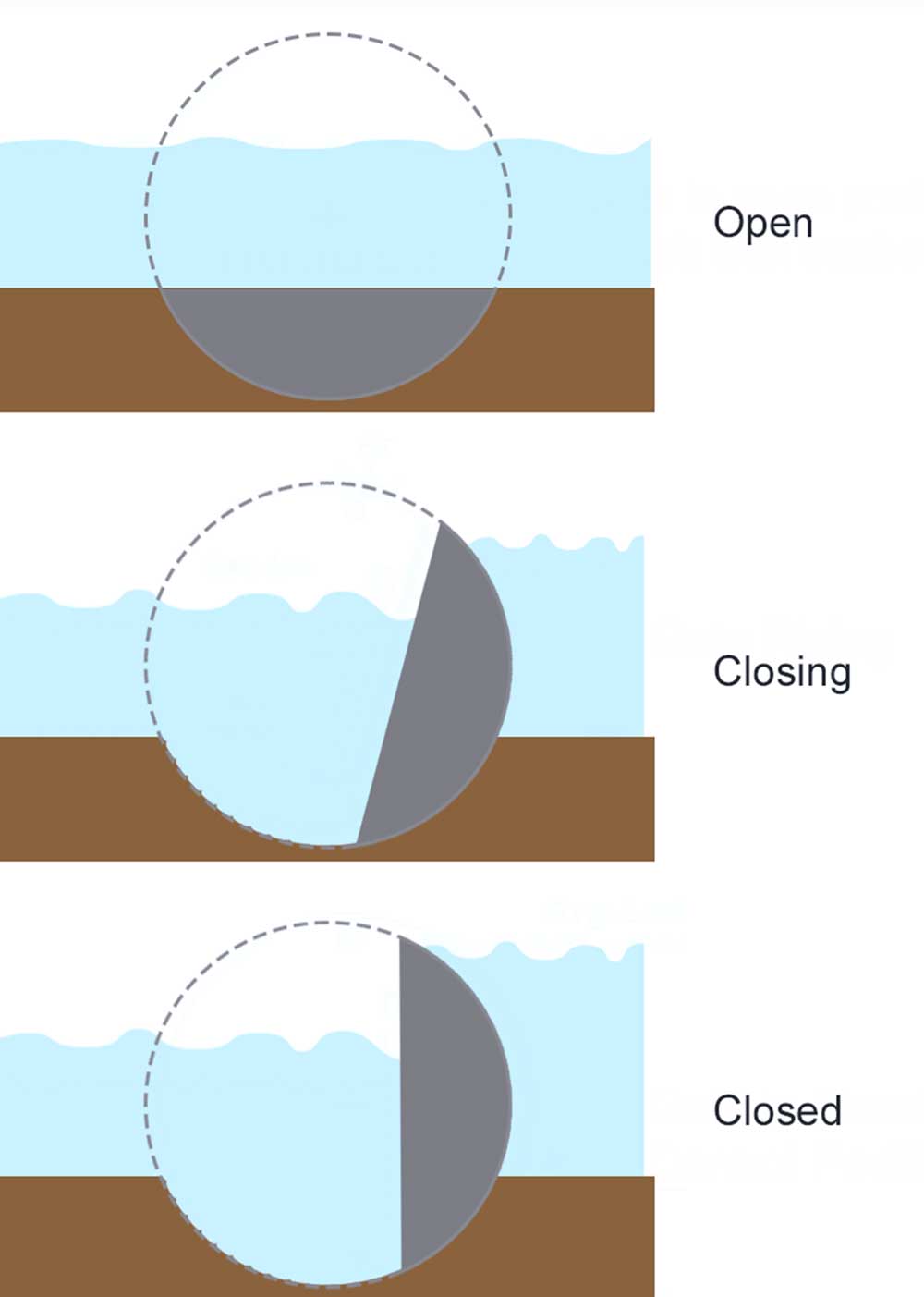
Specifically, the 4 non-navigable gates sit above the river and make the outer sections. The 6 larger navigable gates lie flat on the river bed which can be raised as high as a 5-storey building in case of exceptionally high tides or storm surges, all coming together to protect 125 square kilometers of central London from flooding.
Project Background of Thames Barrier
The Thames had been flooding for centuries while London built on a floodplain suffered from catastrophic flooding for twice during the 20th century, represented by the 1928 Thames Flood and the North Sea flood of 1953.
• In January 1928, the Thames disastrous flood killed 14 people and left thousands homeless in central London. People came to call for a flood barrier. Due to engineering limitations and navigation for large vessels at that time, measures were confined to embankments and smaller flood defenses along the river’s banks.
• In late January 1953, the devastating North Sea flood hit UK again. The high spring tide, aggravated by a severe European windstorm, pushed the water levels as high as 5.6 meters. The flood claimed 307 lives in eastern England (ICE Group 2025), forced 30,000 people to evacuate from their homes and destroyed approximately 24,500 houses (Londonopia 2025).

Until the early 1970s the main approach to flood for Londoners had been building higher and stronger river walls and embankments. However, with time, the increasingly high walls could block out the Thames from view. The government figured a flood barrier with moveable gates built across the Thames could be the best long-term solution. In 1972, The Thames Barrier Act was eventually passed. In 1974 the Thames Barrier project kicked off.
The Design of Thames Barrier
Up to this July, Thames Barrier has been closed 221 times for flood defense purposes since its operation in 1982 (GOV UK 2025). The construction took 8 years from 1974 to 1982 at a cost around £534 million (equivalent to over £1.6 billion today). It was designed to last until 2030, but with good planning and maintenance, it is likely to remain functional until 2070.
Thames Barrier was designed by Rendel, Palmer and Tritton, with Charles Draper and Angus Paton being the lead designers. The designers were inspired by modernist architecture with an aim to create something both beautiful and effective.
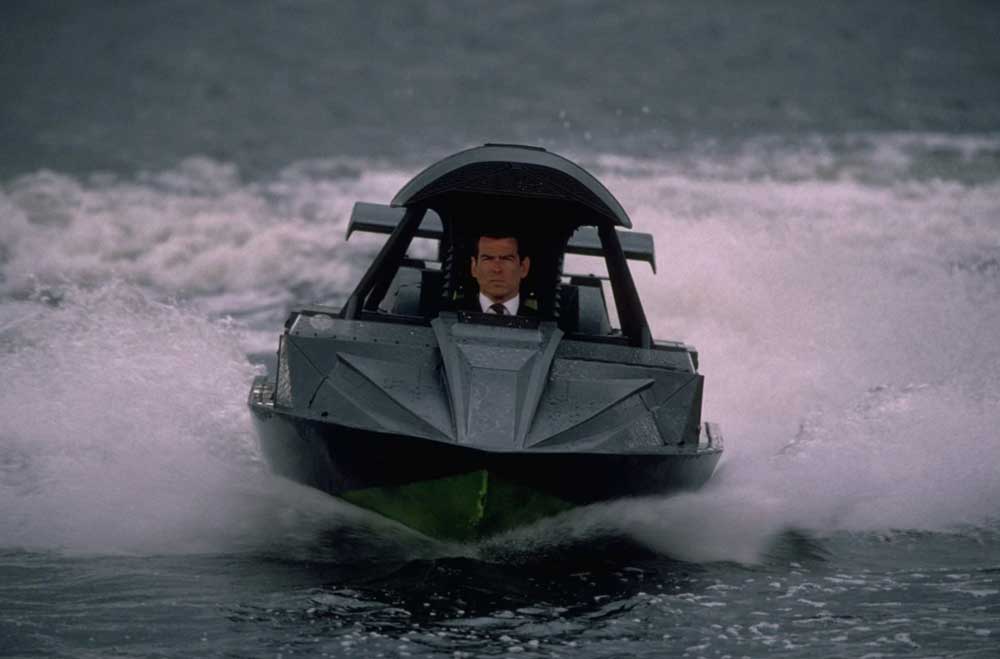
Their design proves quite innovation as the Barrier is composed of a series of hidden underwater gates that can pivot up upon necessity. Unlike conventional cumbersome flood defenses, the movable flood defense combines both aesthetics and functionality. Up to date, Thames Barrier still stands proudly as an iconic structure in London, frequently appeared in movies and television shows such as “The World Is Not Enough” and the BBC series “Doctor Who”, as a symbol of the city’s resilience and engineering prowess.
Stainless Steel 316 Applied in Thames Barrier
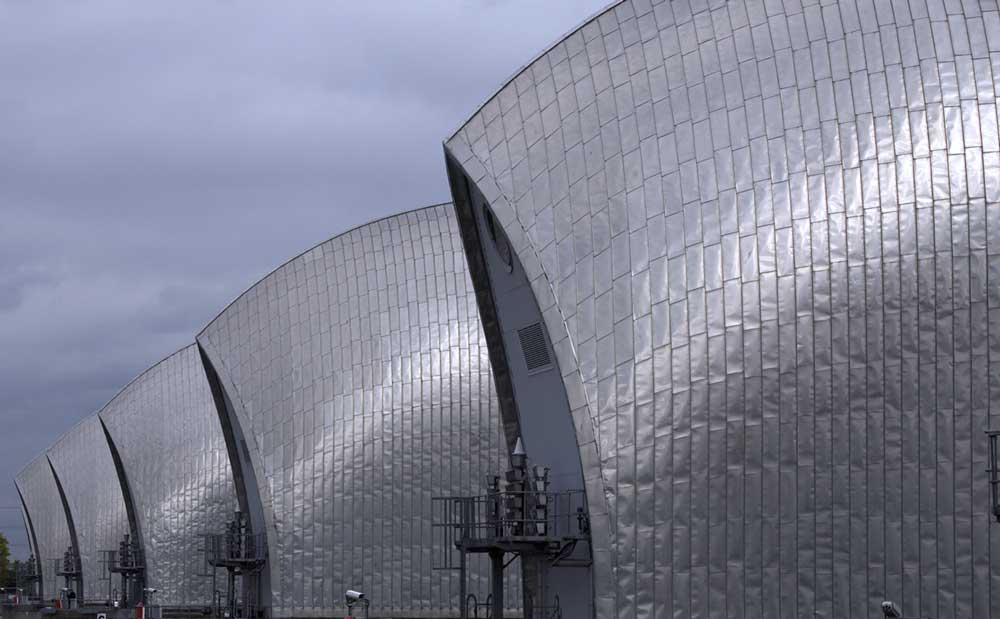
Due to the corrosive environment, type 316 (equivalent to EN 1.4401, UNS S31600, AISI 316, SUS316) with a shiny 2B finish was confirmed as the most cost effective choice for Thames Barrier (IMOA 2005). Exposed to occasional salt water spray or splashing, Thames Barrier is more vulnerable to saltwater corrosion than being located near the coast.
316 stainless steel contains at least 2% molybdenum which can minimize the risk of producing pitting and crevice corrosion to the Barrier. With a very smooth finish, it reduces the chance of salt deposits and eases the burden of maintenance work. The choice of the right material with the smart design can thus maximize the effectiveness of rain-washing. For over 40 years, the dramatic curves of the Thames Barrier have remained attractive as a landmark on its own (IMOA 2005).
Stainless Steel at CIVMATS
CIVMATS stock famous brands’ stainless steel coils, readily processed into stainless steel sheets of required dimensions in a short period of time. Whether you are looking for cold rolled 2B finish or hot rolled No.1/1D finish, CIVMATS can meet your demand with best quality. Plus, our stainless steel sheets plates can be processed into distinct finishes such as No.4, 8K mirror, diamond pattern for your multiple choices.
Apart from stainless steel flat products, CIVMATS also excel in stainless steel long products ranging from stainless steel rods bars, stainless steel pipes tubes to stainless steel wires & ropes. For stainless steel materials from China, CIVMATS aim to be your best choice.